Are you struggling with tiny, itchy bumps that never seem to go away? Finding the Best products for fungal acne on face can transform your complexion completely.
This comprehensive guide covers everything you need to know about eliminating stubborn yeast-based breakouts. You will discover expertly vetted treatments, a detailed comparison of top skincare choices, actionable prevention strategies, and common pitfalls to avoid for clear, healthy skin.
What Is Fungal Acne?
Before diving into treatments, we must understand the root cause of the problem. Unlike traditional breakouts caused by bacteria, this condition—medically known as pityrosporum folliculitis—is triggered by an overgrowth of malassezia yeast. This yeast naturally lives on everyone’s skin, but when it multiplies out of control, it inflames the hair follicles, leading to itchy, uniform clusters of bumps.
Because the underlying cause is fungal rather than bacterial, traditional acne treatments like heavy benzoyl peroxide or standard antibiotics often fail or even worsen the situation. You need a dedicated approach utilizing an antifungal cleanser and fungal acne safe skincare to restore your skin barrier and clear the complexion.
Spotting the Difference: Bacterial vs. Fungal
To choose the Best products for fungal acne on face, you first need to confirm you are treating the right condition. Here are the key indicators:
- Itchiness: Yeast-induced bumps are notoriously itchy, whereas standard pimples are usually just tender or painful.
- Uniform Size: Yeast breakouts typically appear as clusters of tiny, identical bumps, lacking the varied sizes of cysts, blackheads, and whiteheads seen in bacterial breakouts.
- Location: They frequently appear on the forehead, jawline, chest, and back, especially in areas prone to excessive sweating.
- Lack of Response: If your standard skincare routine is not working after months of use, fungi might be the culprit.
Top Rated Best products for fungal acne on face
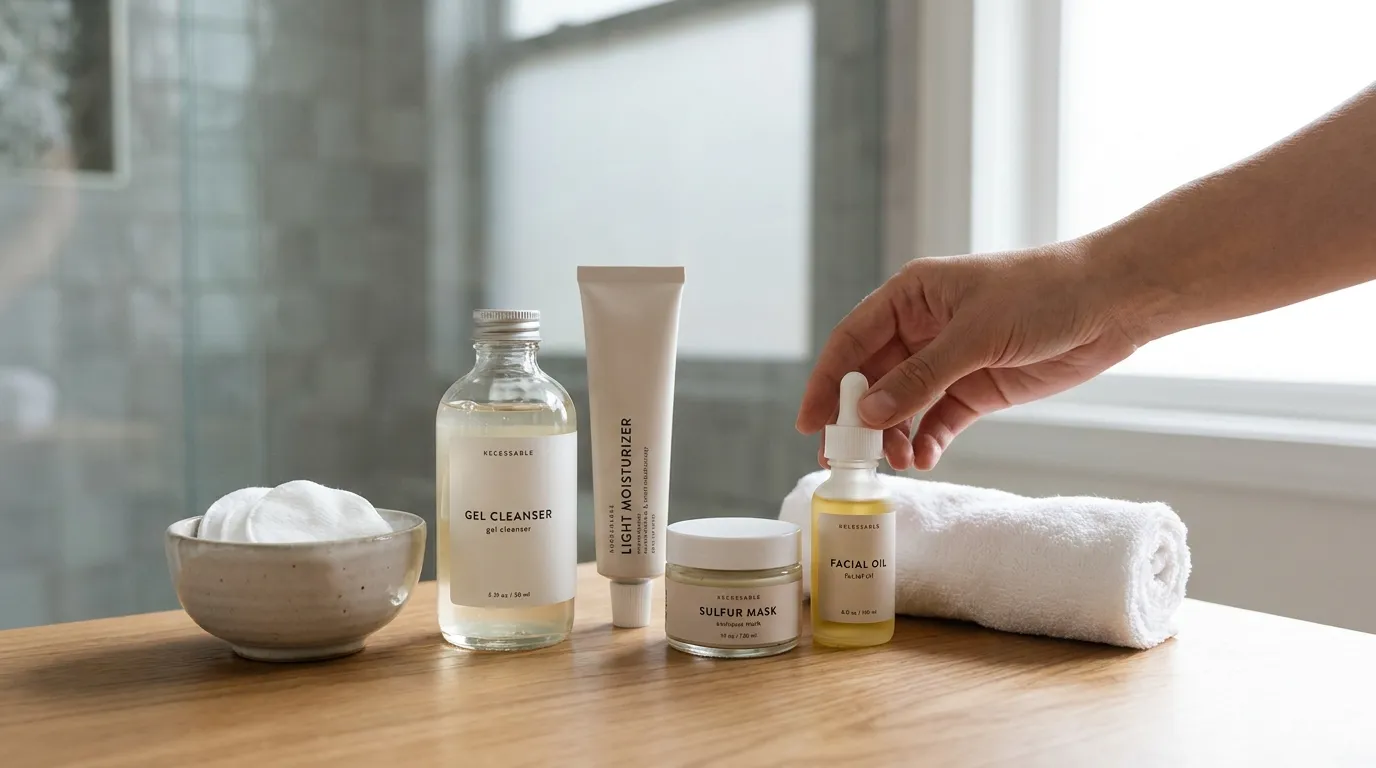
Treating fungal acne breakouts requires a strategic mix of active ingredients that specifically target yeast without feeding it. The yeast feeds on fatty acids and oils, meaning your products must be free of heavy oils, esters, and lipids.
Below, we detail the top products across different categories to help you build the ultimate clear-skin regimen.
1. The Ultimate Cleansers
The foundation of any routine is a solid cleanser. You need formulas that remove excess oil and dead skin cells without stripping the skin.
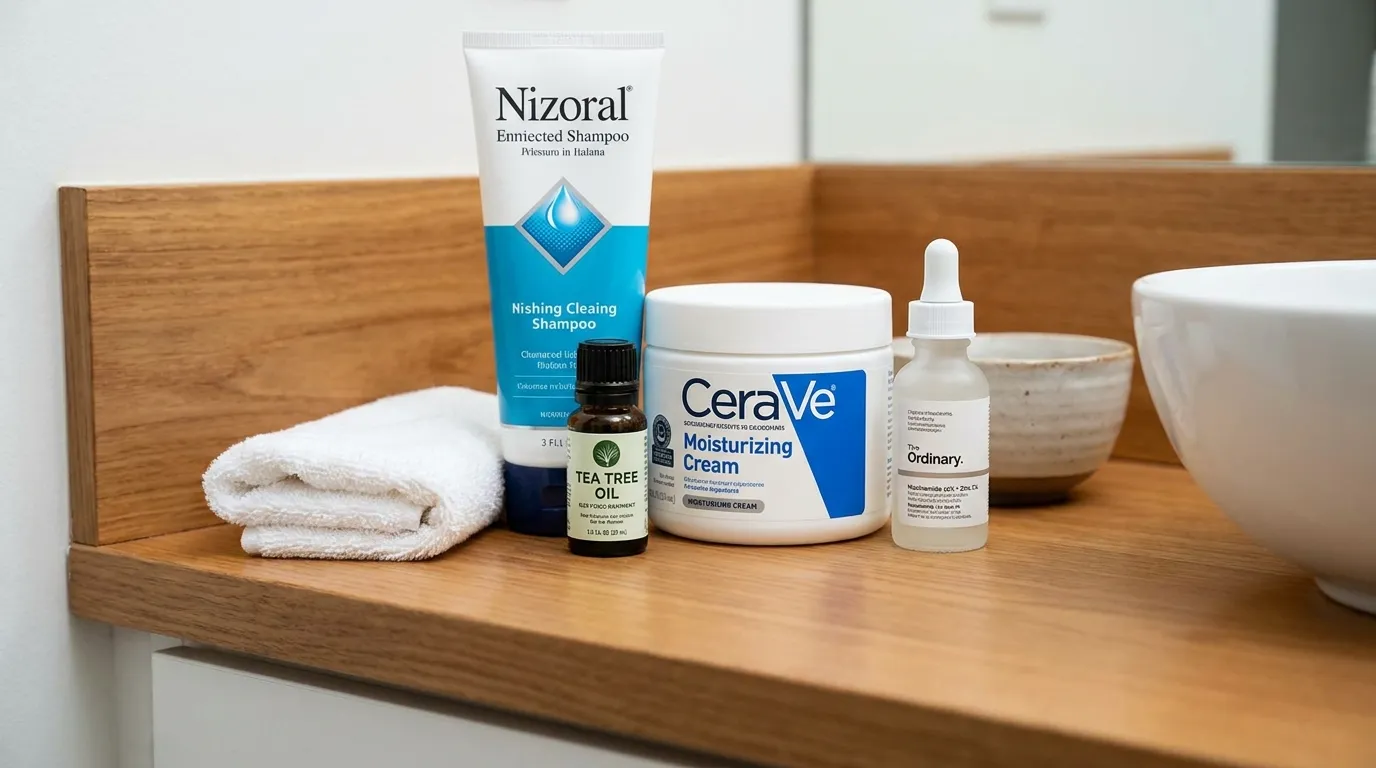
Nizoral Anti-Dandruff Shampoo
While formulated for the scalp, this is a legendary off-label treatment. It contains 1% ketoconazole, a powerful antifungal agent that stops yeast in its tracks. Dermatologists often recommend using it as a face wash or a quick 3-minute mask on affected areas a few times a week.
Vanicream Gentle Facial Cleanser
When you are not using an active treatment wash, you need a gentle, safe daily cleanser. Vanicream offers a minimal ingredient list free of common triggers. It cleanses effectively without disrupting the acid mantle or feeding the yeast.
2. Powerful Active Serums and Treatments
Once the skin is clean, applying targeted treatments is the next critical step.
The Ordinary Niacinamide 10% + Zinc 1%
Niacinamide is a powerhouse for regulating sebum production and reducing inflammation. Since yeast thrives on your skin’s natural oils, controlling sebum is a massive step toward clear skin. The added zinc provides soothing benefits and helps minimize the appearance of enlarged pores.
Differin Adapalene Gel 0.1%
Adapalene is a retinoid that accelerates cell turnover, sweeping away debris that can clog follicles. While it does not directly kill yeast, it prevents the clogged pores that create a hospitable environment for fungal overgrowth.
Paula’s Choice 2% BHA Liquid Exfoliant
Salicylic acid is oil-soluble, meaning it can penetrate deep into the pores to clear out blockages. This liquid exfoliant is lightweight and completely safe for yeast-prone skin, making it an excellent choice for improving skin texture.
3. Hydrating and Safe Moisturizers
Finding a safe moisturizer for acne that is fungal-triggered is notoriously difficult because most moisturizers rely on heavy fatty acids.
CeraVe Moisturizing Cream (In the Tub)
This rich cream is surprisingly safe for yeast-prone skin. It contains ceramides to protect the skin barrier and hyaluronic acid for deep hydration, all without the problematic oils that fuel breakouts.
Malezia 5% Urea Moisturizer
Specifically formulated for those battling malassezia, this lightweight moisturizer uses urea to gently exfoliate and deeply hydrate. It is an incredibly popular choice in the skincare community for its non-greasy finish and safe ingredient profile.
4. Over-The-Counter Antifungal Creams
For stubborn spots, you may need targeted antifungal intervention. Over-the-counter athlete’s foot or ringworm creams can be highly effective.
Lotrimin Ultra (Butenafine Hydrochloride)
Applying a thin layer of this cream to affected areas can yield rapid results. It specifically attacks the cellular walls of the fungi. Alternatively, creams containing clotrimazole or pyrithione zinc are also highly effective spot treatments. According to the American Academy of Dermatology, targeted antifungal therapies are the gold standard for this condition.
Product Comparison Table
|
Product Name |
Category |
Key Ingredient |
Best For |
|---|---|---|---|
|
Nizoral A-D Shampoo |
Cleanser / Mask |
1% Ketoconazole |
Active breakouts, rapid clearing |
|
Vanicream Gentle Cleanser |
Daily Wash |
Glycerin |
Sensitive skin, daily use |
|
The Ordinary Niacinamide |
Serum |
10% Niacinamide |
Sebum control, redness |
|
Paula’s Choice 2% BHA |
Exfoliant |
Salicylic Acid |
Unclogging pores, texture |
|
Malezia 5% Urea |
Moisturizer |
Urea, Hyaluronic Acid |
Hydration, gentle exfoliation |
|
Lotrimin Ultra |
Spot Treatment |
Butenafine HCl |
Stubborn, itchy bumps |
Common Mistakes to Avoid
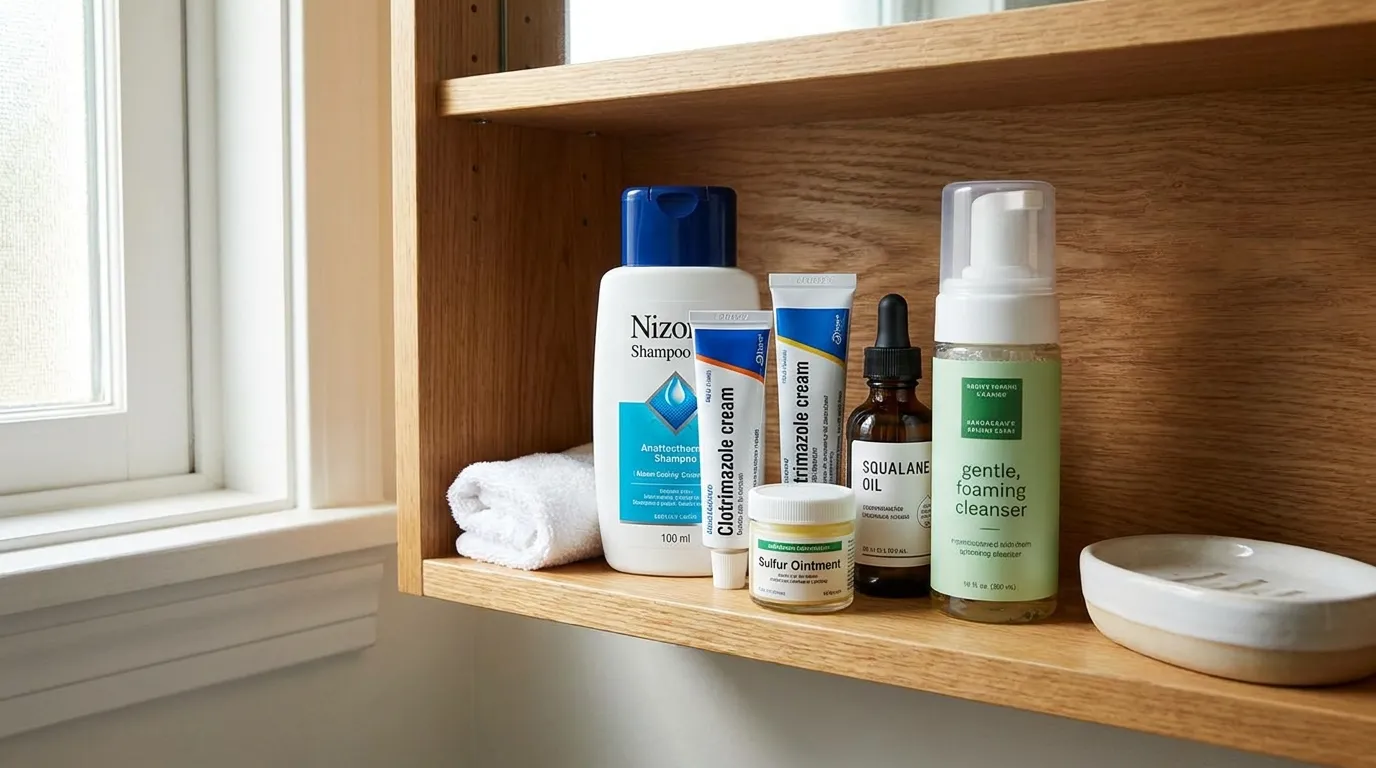
Even with the right products, certain habits can sabotage your progress. Avoid these common pitfalls to ensure your skin heals properly:
- Using Oil-Heavy Products
The most critical mistake is using products rich in natural oils (like olive, coconut, or jojoba oil) and certain fatty acids. Malassezia consumes these lipids to multiply. Always check your ingredient lists using online ingredient checkers designed for this specific condition. - Over-Exfoliating
Desperation often leads to aggressive scrubbing. Using harsh physical scrubs or combining too many chemical exfoliants will destroy your acid mantle. A compromised barrier allows moisture to escape and microbes to invade, creating a vicious cycle of irritation and breakouts. - Sitting in Sweaty Clothes
Yeast thrives in warm, moist environments. If you work out or live in a hot, humid climate, sitting in sweaty clothes or letting sweat dry on your face is a recipe for disaster. Always wash your face and body immediately after heavy sweating. Medical News Today notes that environmental factors like humidity significantly impact flare-ups. - Using Traditional Acne Kits
Standard 3-step kits heavily rely on high-percentage benzoyl peroxide and antibiotics. Antibiotics kill the good bacteria on your skin that naturally keep yeast populations in check. Using these kits can actually trigger a massive fungal flare-up.
Pro Tips and Expert Insights
To maximize your results and maintain a clear complexion long-term, incorporate these expert strategies into your routine:
- The 3-Minute Mask Technique: When using a medicated shampoo as a cleanser, do not just wash it off immediately. Lather it onto the affected area and let it sit for 3 to 5 minutes before rinsing. This gives the active ingredients enough time to penetrate the follicle and attack the fungus.
- Check Your Makeup: Your skincare might be perfectly safe, but your liquid foundation or blush could be feeding the yeast. Ensure all cosmetics are free from problematic lipids and esters.
- Embrace Squalane Oil: If you have dry skin and desperately need an oil, 100% plant-derived squalane (not squalene) is one of the very few oils that malassezia cannot consume. It provides excellent lubrication and moisture without triggering breakouts.
- Dietary Considerations: While diet does not directly cause the condition, a high-sugar diet can promote systemic yeast growth. Reducing refined carbohydrates and sugars may help support your skin’s healing process from the inside out.
- Consult a Dermatologist: If over-the-counter methods fail after several weeks, seek professional help. A dermatologist can prescribe oral antifungals, such as fluconazole, for severe or persistent cases, as highlighted by resources like GoodRx.
Creating a Fungal-Safe Skincare Routine
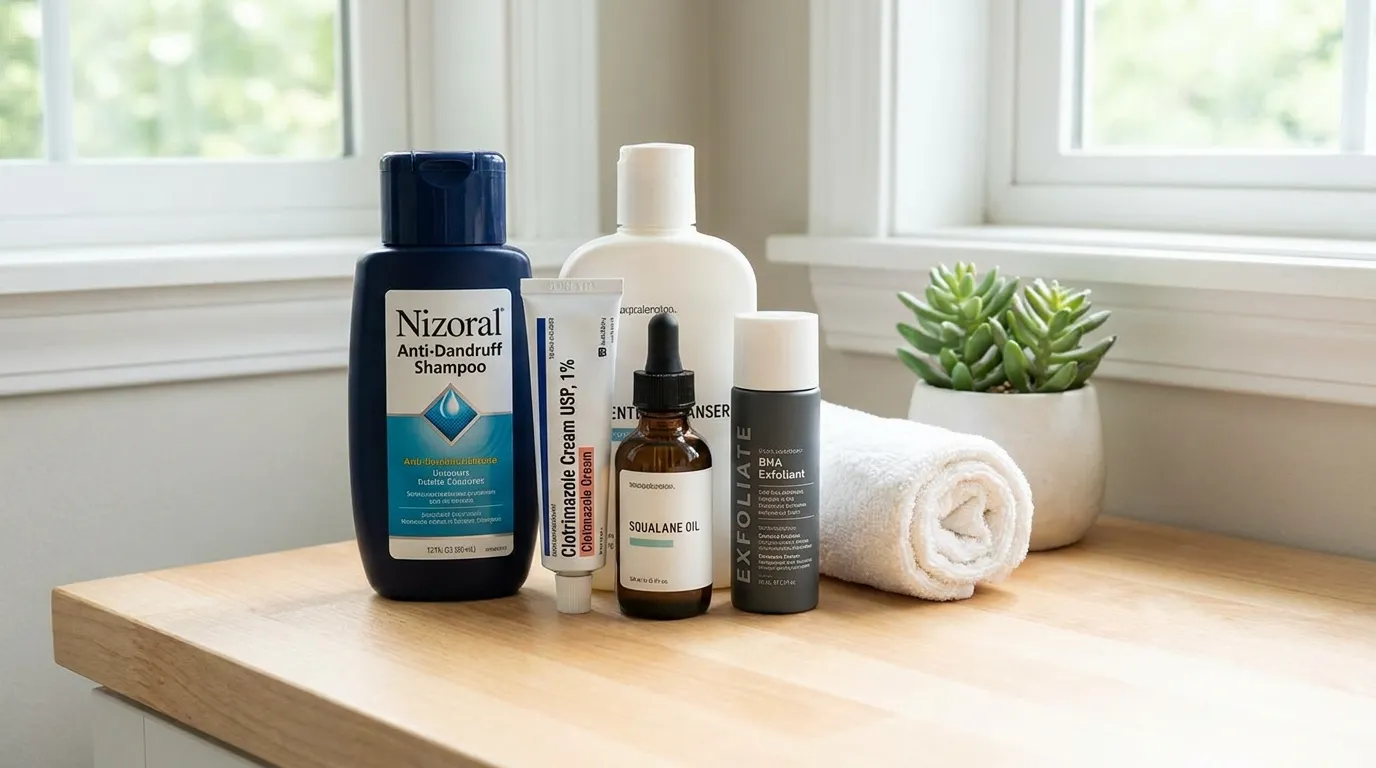
Building a comprehensive routine is about balance. You must treat the overgrowth while maintaining hydration. Here is a simple, effective framework using facial cleansers and treatments.
Morning Routine:
- Cleanse gently with a safe, mild face wash (e.g., Vanicream).
- Apply a sebum-regulating serum like niacinamide to damp skin.
- Moisturize with a lightweight, safe cream.
- Apply a fungal-safe broad-spectrum sunscreen.
Evening Routine:
- Remove makeup with micellar water (ensure it is oil-free).
- Use your medicated wash (ketoconazole or zinc-based) 2-3 times a week. On other nights, use your gentle cleanser.
- Apply an exfoliating treatment (like BHA) or a spot treatment on active bumps.
- Finish with a generous layer of a safe moisturizer to lock in hydration while you sleep.
Patience is key. While some people see results in a matter of days, severe cases can take four to six weeks to fully clear. Consistency with your safe products will eventually starve the yeast and restore balance to your microbiome.
Conclusion
Finding the Best products for fungal acne on face is the ultimate key to achieving the clear, healthy skin you deserve. By switching to targeted antifungal cleansers, avoiding oil-heavy formulations, and maintaining a consistent, safe routine, you can eliminate stubborn bumps for good. Start auditing your skincare ingredients today, implement these expert strategies, and take the first step toward a flawlessly smooth complexion.
Frequently Asked Questions
1. What exactly is fungal acne and how does it form?
It is not true acne but a condition called pityrosporum folliculitis. It forms when the malassezia yeast, which naturally lives on the skin, overgrows and inflames the hair follicles, leading to itchy, uniform bumps.
2. Can I use regular pimple creams on these breakouts?
No. Traditional pimple creams containing high amounts of benzoyl peroxide or topical antibiotics are designed for bacterial infections. They will not kill yeast and may actually worsen the overgrowth by killing off the good bacteria that keep yeast in check.
3. How do I know if my skincare product is safe to use?
You must check the ingredient list for specific oils, fatty acids, and esters that feed malassezia. There are several free online databases and ingredient checker websites where you can copy and paste an ingredient list to see if it contains known triggers.
4. Is dandruff shampoo really safe to use on my face?
Yes, dermatologists frequently recommend using anti-dandruff shampoos containing ketoconazole or pyrithione zinc as an off-label face wash. However, they can be drying, so it is best to use them only 2 to 3 times a week and follow up with a good moisturizer.
5. Why are my breakouts so itchy?
Itchiness is a hallmark symptom of yeast overgrowth. The inflammatory response to the fungal enzymes within the hair follicle irritates the nerve endings in the skin, causing a persistent, annoying itch that traditional pimples usually lack.
6. Does sweating make this condition worse?
Yes. Malassezia thrives in warm, moist, humid environments. Sweating heavily and leaving the sweat on your skin creates the perfect breeding ground. Always shower and cleanse your skin immediately after working out or sweating profusely.
7. Can diet affect my fungal breakouts?
While topical products are the most important factor, a diet very high in sugar and refined carbohydrates can contribute to systemic yeast overgrowth. Reducing sugar intake may help balance your body’s microbiome and support your topical treatments.
8. What is the best moisturizer for this condition?
The best moisturizers are free from heavy oils and fatty acids. Look for gel-based moisturizers or creams containing ingredients like urea, hyaluronic acid, and ceramides. Squalane oil is also a safe moisturizing agent.
9. How long does it take to see results once I change my routine?
If you completely eliminate trigger ingredients and start an antifungal treatment, you may begin to see a reduction in itchiness and redness within just a few days. However, completely clearing the skin usually takes anywhere from 3 to 6 weeks of consistent care.
10. When should I see a dermatologist for my skin?
If you have strictly followed a fungal-safe routine and used over-the-counter antifungal treatments for a month with no improvement, you should see a dermatologist. You may need a stronger prescription topical treatment or a short course of oral antifungal medication to clear the infection.