

Transform your daily habits with these proven Eco-Friendly Shopping Tips. Making mindful purchasing decisions empowers you to drastically reduce environmental impact while supporting ethical brands.
This comprehensive guide delivers exactly what you need to upgrade your purchasing habits. You will discover actionable strategies to eliminate plastic waste, navigate misleading marketing, and embrace zero-waste alternatives. Implement these powerful tactics today to build a sustainable, planet-friendly lifestyle that genuinely makes a difference.
Revolutionize Your Grocery Runs
Grocery stores generate massive amounts of unnecessary waste. By shifting your approach to buying food, you immediately cut down on landfill contributions and lower your carbon footprint.
1. Master the Reusable Bag Habit
Forgetting reusable bags remains the biggest hurdle for sustainable shoppers. Keep sturdy canvas or recycled plastic bags in your car trunk, backpack, and near your front door. This simple habit prevents hundreds of single-use plastic bags from polluting our oceans every single year.
2. Prioritize Bulk Purchasing
Buying pantry staples like rice, beans, and oats in bulk slashes packaging waste. Many health food stores allow you to bring your own jars. Weigh your empty container first, fill it with your desired product, and pay only for the food inside. This tactic perfectly complements your zero waste kitchen transformation.
3. Embrace Seasonal and Local Produce
Imported fruits and vegetables require massive amounts of fossil fuels for transportation. Buying seasonal produce from local farmers significantly cuts carbon emissions. Furthermore, locally grown food retains more nutrients and tastes infinitely better than produce shipped halfway across the globe.
4. Ditch Single-Use Plastic Produce Bags
You do not need those flimsy plastic bags to hold three apples. Bring lightweight, reusable mesh bags for your loose fruits and vegetables. Alternatively, just place thick-skinned produce directly into your shopping cart.
5. Support Regenerative Agriculture Farms
Look for brands and farms that practice regenerative agriculture. These farming methods actively restore soil health, increase biodiversity, and draw carbon down from the atmosphere. Voting with your wallet funds the systems that actively heal our planet.
Mini-Conclusion: Grocery Strategies
Taking control of your grocery habits forms the foundation of sustainable living. Small daily choices regarding how your food is packaged and grown yield massive environmental benefits over time.
Transform Your Wardrobe Ethically
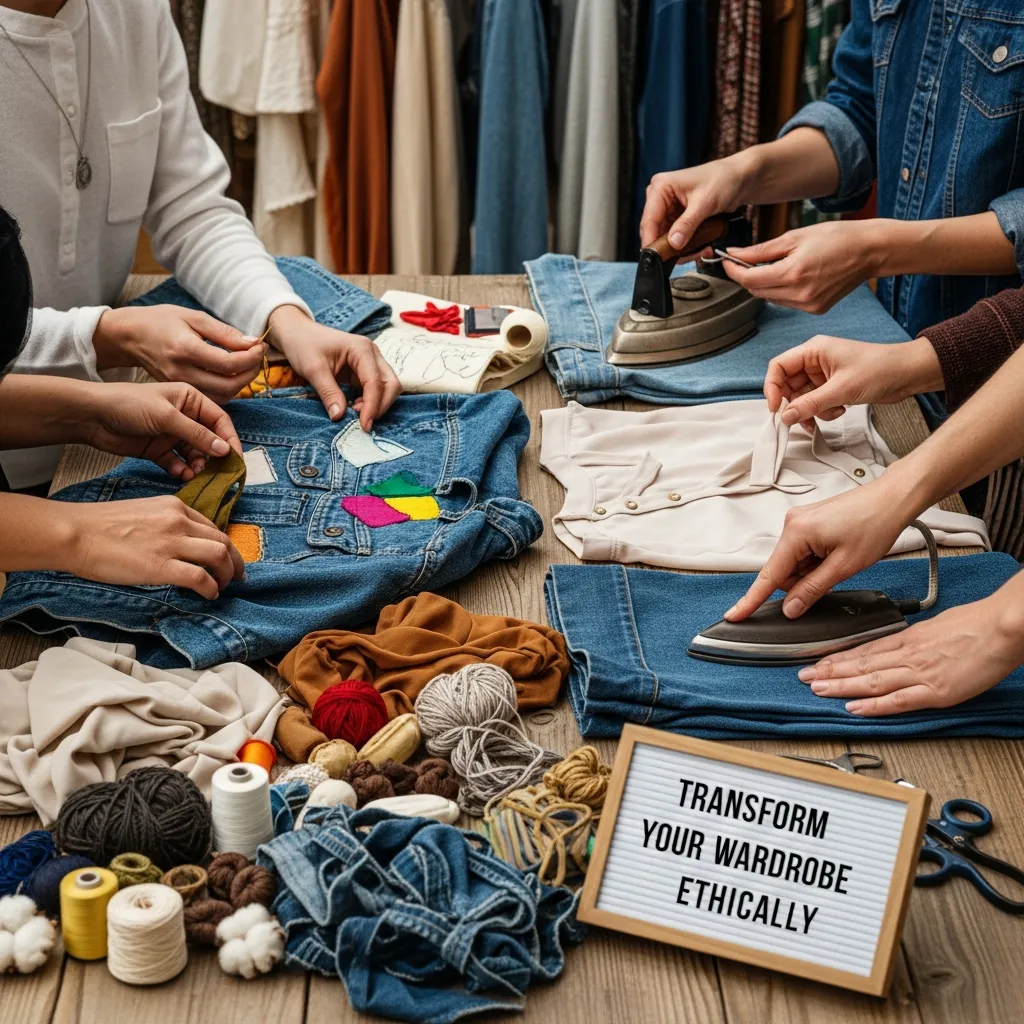
The fashion industry ranks as one of the world’s worst polluters. You must radically shift how you view clothing to stop supporting exploitative and environmentally destructive practices.
6. Boycott Fast Fashion Giants
Fast fashion brands produce cheap, low-quality garments designed to fall apart after a few washes. This business model creates mountains of textile waste. Stop buying clothing from brands that release new collections weekly. Instead, save your money for durable, ethically made pieces.
7. Embrace Second-Hand Shopping
Thrifting offers the ultimate sustainable shopping experience. You rescue perfectly good clothing from landfills while saving money. Explore local consignment shops, vintage boutiques, and online resale platforms like Poshmark or Depop to find unique, high-quality garments.
8. Invest in Timeless Quality
When you must buy new, prioritize quality over quantity. Purchase garments made from organic cotton, linen, or hemp. A well-made shirt might cost more initially, but it lasts years longer than a cheap alternative, ultimately saving you money and resources. Check our sustainable fashion guide for top brand recommendations.
9. Host Clothing Swap Parties
Refresh your wardrobe entirely for free by organizing a clothing swap with your friends. Everyone brings garments they no longer wear and trades them. This fun, community-building activity extends the lifecycle of clothing and prevents unnecessary consumption.
10. Repair Before You Replace
Learn basic mending skills. A missing button or a tiny tear does not ruin a garment. Watch online tutorials to learn how to sew a hem, patch a hole, or replace a zipper. Repairing your clothes builds a deeper appreciation for the resources required to make them.
Mini-Conclusion: Ethical Fashion
You hold immense power as a consumer. Rejecting fast fashion and embracing circular clothing models forces the industry to adopt better environmental practices.
Upgrade Your Household and Personal Care

The products you use to clean your home and body often contain toxic chemicals and hidden plastics. Upgrading these items protects both the environment and your personal health.
11. Choose Concentrated Cleaning Formulas
Traditional liquid cleaners consist mostly of water shipped in heavy plastic bottles. Switch to concentrated cleaning tablets or powders. You simply drop the tablet into a reusable glass spray bottle and add your own tap water. This cuts shipping emissions and eliminates plastic waste.
12. Switch to Solid Toiletries
Liquid shampoo and body wash heavily rely on plastic packaging. Swap these out for solid shampoo bars, conditioner bars, and bar soap. These concentrated products last much longer than their liquid counterparts and typically come packaged in recyclable cardboard.
13. Avoid Microplastics in Cosmetics
Many conventional exfoliating scrubs and cosmetics contain tiny plastic beads. These microplastics wash down the drain and devastate marine ecosystems. Always read ingredient lists and avoid products containing polyethylene or polypropylene. Opt for natural exfoliants like sugar, salt, or oatmeal.
14. Ditch Paper Towels
Americans throw away billions of pounds of paper towels annually. Replace them with reusable Swedish dishcloths, old cut-up t-shirts, or microfiber rags. You can wash and reuse these cloths hundreds of times, drastically reducing your household paper waste.
15. Buy Recycled Toilet Paper
If you cannot install a bidet, always purchase toilet paper made from 100% post-consumer recycled paper. Alternatively, choose bamboo toilet paper. Bamboo grows incredibly fast and requires significantly fewer resources to harvest than traditional trees.
Mini-Conclusion: Household Sustainability
Swapping out disposable household items for reusable alternatives creates a safer, cleaner home environment while sharply reducing your weekly trash output.
Cultivate a Mindful Consumer Mindset

True sustainability begins in the mind. Adopting Eco-Friendly Shopping Tips requires you to fundamentally change your relationship with consumerism and material possessions.
16. Implement the 30-Day Rule
Impulse buying drives overconsumption. Whenever you want to purchase a non-essential item, force yourself to wait thirty days. Often, the desire fades completely. If you still genuinely need the item after a month, you can purchase it with confidence.
17. Scrutinize Eco-Labels and Certifications
Beware of greenwashing. Companies frequently use buzzwords like “natural” or “green” without any real environmental standards. Look for legitimate, third-party certifications like Fair Trade, USDA Organic, B Corp, and Forest Stewardship Council (FSC). According to the World Wildlife Fund, supporting certified products protects vulnerable ecosystems.
18. Support Zero-Waste Businesses
Actively seek out businesses that prioritize zero-waste operations. These stores eliminate plastic packaging entirely, utilize renewable energy, and offset their carbon emissions. Spending your money at these establishments sends a clear message to larger corporations about consumer demand.
19. Optimize Your Transportation
How you get to the store matters. Walk, bike, or take public transit when running local errands. If you must drive, try to batch your errands together into a single trip to reduce your carbon emissions.
20. Borrow or Rent Seldom-Used Items
You do not need to own a power drill or a carpet cleaner if you only use them once a year. Check out local tool libraries or rent equipment from hardware stores. Borrowing items from neighbors reduces the manufacturing demand for heavy, resource-intensive products.
Mini-Conclusion: Mindful Habits
Transforming your mindset breaks the cycle of endless consumption. You learn to value community resources, durability, and true necessity over fleeting retail therapy.
Eco-Friendly Packaging Comparison Table
|
Packaging Type |
Environmental Impact |
Recyclability |
Best Use Case |
|---|---|---|---|
|
Virgin Plastic |
Severe |
Very Low |
Avoid entirely |
|
Glass |
Moderate (Heavy to ship) |
Infinitely High |
Pantry storage, bulk buying |
|
Aluminum/Steel |
High initial energy |
Infinitely High |
Canned goods, drinks |
|
Cardboard/Paper |
Low to Moderate |
High |
Dry goods, solid toiletries |
|
Compostable |
Low |
High (Industrial) |
Takeout containers |
Common Mistakes to Avoid
Many well-intentioned consumers stumble when trying to shop sustainably. Avoid these critical errors to ensure your efforts truly benefit the planet.
- Falling for Greenwashing: Do not trust a product just because the packaging features green leaves and earth tones. Always verify their claims by looking for credible third-party certifications.
- Throwing Away Usable Plastic: Do not throw away your perfectly good plastic Tupperware just to buy aesthetic glass jars. Use what you already own until it breaks. The most sustainable item is the one already in your house.
- Wish-Cycling: Throwing unrecyclable items into the recycling bin hoping the facility sorts it out actually contaminates entire batches of recycling. Follow your local municipality’s strict guidelines.
- Buying Sustainable Clutter: Purchasing twenty reusable metal straws when you rarely drink from straws creates unnecessary manufacturing emissions. Only buy sustainable alternatives for items you use daily.
Pro Tips and Expert Insights
Elevate your sustainable journey with these advanced strategies used by dedicated environmentalists.
- Conduct a Trash Audit: Before you buy anything new, spend one week analyzing exactly what you throw away. If you notice a high volume of coffee cups, prioritize buying a reusable travel mug. Target your specific waste pain points.
- Leverage Subscription Refills: Sign up for closed-loop subscription services for household cleaners. Companies send you products in durable containers. When empty, you mail the containers back for sterilization and refilling, creating a perfect circular economy.
- Engage with Local Representatives: Shopping sustainably is crucial, but systemic change requires legislation. Call your local officials and demand stricter regulations on plastic manufacturing and better municipal composting infrastructure.
Conclusion
Implementing Eco-Friendly Shopping Tips provides a direct, highly effective way to protect our fragile environment. By rejecting fast fashion, embracing reusable alternatives, and supporting ethical brands, you drastically reduce your personal waste footprint. Start integrating these twenty powerful habits into your routine today, share this knowledge with your community, and lead the charge toward a healthier, greener planet.
Frequently Asked Questions
1. Are eco-friendly products always more expensive?
While some ethically sourced items carry a higher upfront cost, sustainable living ultimately saves you money. Buying a reusable safety razor, investing in quality clothing, and purchasing bulk dry goods significantly reduces your long-term expenses compared to constantly buying disposable items.
2. How do I start shopping sustainably if I am on a tight budget?
Start by utilizing what you already own. Repurpose glass pasta jars for food storage. Cut up old t-shirts to use as cleaning rags. Focus heavily on second-hand shopping and thrifting, which cost a fraction of buying new items.
3. What is greenwashing and how can I spot it?
Greenwashing occurs when a company spends more money marketing themselves as environmentally friendly than actually minimizing their environmental impact. Spot it by looking for vague terms like “all-natural” without any backing data or recognized third-party certifications on the label.
4. Does bringing my own bags actually make a difference?
Absolutely. The average family uses hundreds of plastic bags annually. These bags take centuries to degrade, breaking down into toxic microplastics that poison marine life. Using durable canvas bags prevents this specific stream of pollution entirely.
5. How do I buy meat and dairy sustainably?
Industrial animal agriculture causes severe environmental damage. If you choose to consume animal products, drastically reduce your intake. When you do buy, purchase directly from local farms that utilize regenerative grazing practices and avoid factory-farmed products completely.
6. Are compostable plastics actually good for the environment?
Compostable plastics offer a step in the right direction, but they require industrial composting facilities reaching high temperatures to break down properly. If you throw them in a standard landfill or your backyard compost pile, they behave exactly like regular plastic.
7. How can I reduce waste when ordering products online?
Try to group your online orders together so they ship in one box. Request frustration-free or plastic-free packaging during checkout if the retailer offers it. Even better, support local brick-and-mortar stores to eliminate shipping emissions entirely.
8. What is a circular economy?
A circular economy designs waste out of the system. Instead of the traditional “take, make, dispose” model, a circular model focuses on repairing, reusing, returning, and recycling products to keep materials in use for as long as possible.
9. How do I safely dispose of old electronics?
Never throw electronics in the trash, as they leach heavy metals into the soil. Take them to designated e-waste recycling centers. Many major electronics retailers also offer free take-back programs for old phones, computers, and batteries.
10. Can one person’s shopping habits really change the world?
Yes. Consumer demand shapes corporate behavior. When thousands of individuals stop buying single-use plastics and demand ethical supply chains, companies are forced to adapt to survive. Your purchasing choices signal exactly what the market will tolerate.