

Are you tired of paying full price for your favorite items? These highly effective shopping secrets will transform how you buy everything, keeping more cash in your wallet.
This comprehensive guide explores insider shopping secrets that most retailers prefer to keep hidden. You will learn practical strategies for online discount hunting, in-store clearance codes, and psychological hacks. Master these methods to maximize your daily savings and avoid expensive impulse purchases.
Uncover Online Shopping Secrets
Finding the best deals online requires more than just searching for promo codes. You need to understand how e-commerce platforms track your behavior. These digital shopping secrets will help you secure major discounts before you even reach the checkout page.
1. Abandon Your Digital Shopping Cart
One of the most effective online shopping secrets is simply walking away. Retailers hate losing a potential sale. When you log into your account, add items to your cart, and close the tab, companies notice. Within a few days, many brands will email you a discount code ranging from 10% to 20% off to encourage you to complete the purchase. This works exceptionally well for clothing and home goods retailers.
2. Utilize Live Chat for Hidden Discounts
Most shoppers ignore the little customer service chat bubble that pops up on retail websites. However, asking a representative a simple question can lead to savings. Politely ask if they have any current promotions or discount codes available. Representatives often have access to unadvertised promo codes they can distribute to friendly customers to close a sale.
3. Master the Free Delivery Filler Trick
Many major online retailers require a minimum spend to unlock free shipping. If you find yourself a few dollars short of the threshold, do not pay the heavy shipping fee. Instead, use a filler item tool to find cheap products that bridge the gap. Adding a fifty-cent pack of paperclips can save you five dollars in delivery charges.
4. Shop Using Incognito Mode
Airlines, hotels, and large retailers track your browser cookies. If they see you repeatedly checking the price of a specific item, they might artificially raise the price to create a sense of urgency. You can easily bypass this dynamic pricing model by browsing in incognito or private mode. This ensures you always see the baseline price offered to new customers.
5. Stack Cashback Apps and Extensions
Never check out without activating a cashback portal. Browser extensions automatically scan the web for working promo codes and apply them to your cart. Furthermore, if you link a rewards credit card to these apps, you earn money back twice on the same purchase. To maximize these returns, read our Credit Card Rewards Guide for strategic pairing.
Mini-Conclusion: Applying these online tactics ensures you never pay the advertised price. You command the digital checkout process by controlling your browsing data and leveraging automated discount tools.
Decode In-Store Shopping Secrets

Physical retail environments are meticulously designed to make you spend more money. By understanding the layout and pricing systems of big-box stores, you can protect your budget. These in-store shopping secrets give you an immediate advantage.
6. Read the Hidden Clearance Codes
Large retailers use specific numbers at the end of a price tag to communicate with staff. If a price ends in .97, .98, or .01, it almost always indicates a final clearance markdown. This means the item will not be restocked, and the store wants to move it quickly. If you see a standard .99, you are likely looking at full retail price.
7. Haggle on the High Street
Most consumers believe that haggling is strictly for flea markets or car dealerships. In reality, you can politely negotiate prices at major electronics and furniture stores. If an item is the last one in stock, a floor display model, or has a slight scratch, ask a manager for a 10% discount. Managers typically have the authority to markdown flawed or display inventory.
8. Shop on the Right Days of the Week
Stores do not mark down items randomly. Many major chains implement their weekly markdowns on Wednesdays or Thursdays to prepare for the weekend shopping rush. By visiting the store on a Thursday morning, you get the first pick of freshly discounted merchandise before the weekend crowds clear the shelves.
9. Look Down for Better Deals
Supermarkets and department stores charge brands premium fees to place their products at eye level. This means the most expensive items sit exactly where you look first. To find the best value, simply look at the bottom and top shelves. You will often find generic equivalents or lesser-known brands offering the exact same quality for a fraction of the cost.
10. Use Bank Statements for Lost Receipts
Losing a receipt normally means losing your right to a refund. However, one of the best retail shopping secrets involves your bank statement. If you purchased an item with a debit or credit card, many stores can look up the transaction using the card and the date provided on your banking app. Always ask customer service to run a card search before giving up on a return.
Mini-Conclusion: Navigating a physical store requires attention to detail. By reading price tags correctly and timing your visits, you can walk away with massive savings that average shoppers overlook.
Master Supermarket and Grocery Shopping Secrets
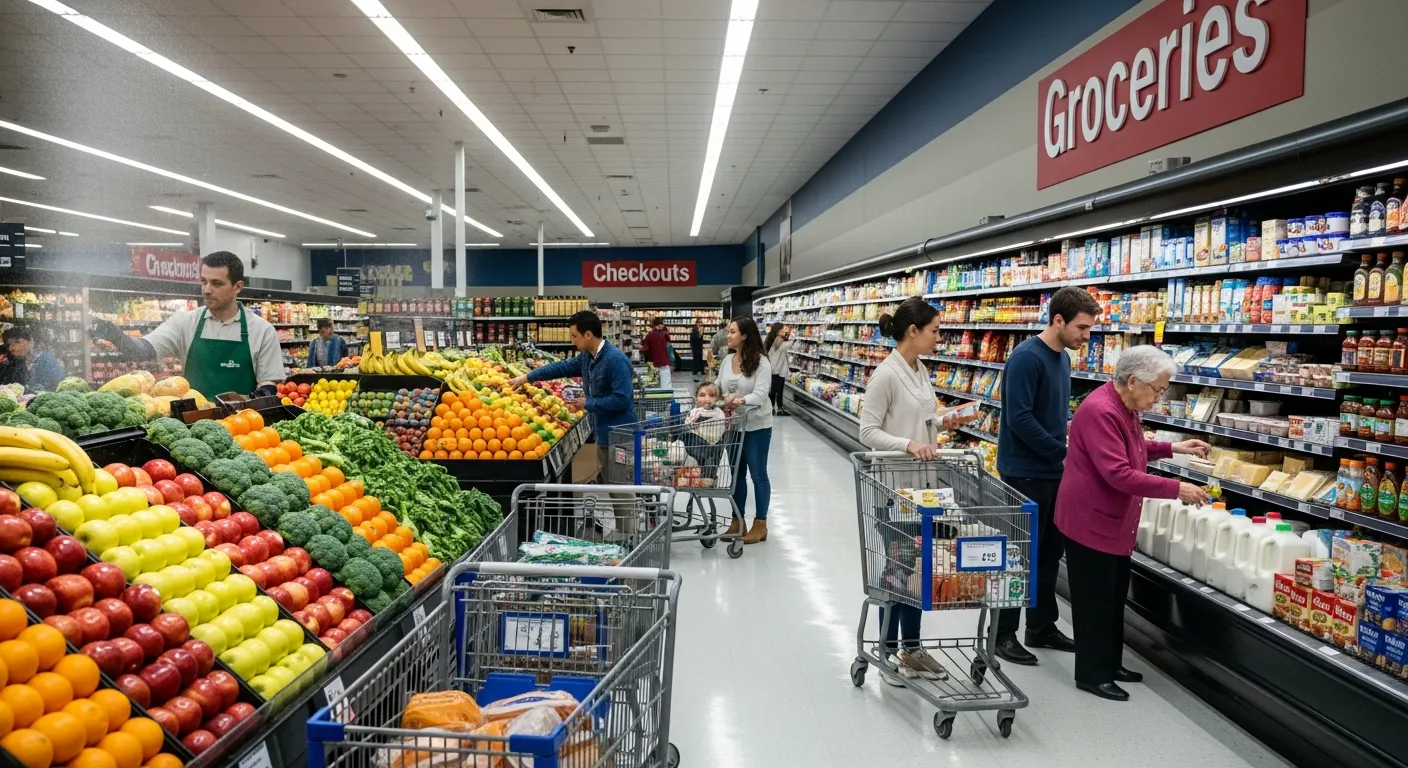
Food expenses eat up a massive portion of the average household budget. Grocery stores use sensory tricks to encourage impulse buying. Use these supermarket shopping secrets to cut your grocery bill dramatically.
11. Avoid the Convenience Tax on Produce
Pre-cut fruits and vegetables look incredibly appealing and save you prep time. However, supermarkets charge an astronomical markup for this convenience. Sliced melons or chopped onions can cost up to three times more per pound than their whole counterparts. Buy whole produce and spend five minutes slicing it at home to see immediate savings.
12. Always Check the Unit Price
Do not rely on the large retail price printed on the shelf tag. The true measure of value is the unit price, usually printed in tiny text in the corner. This tells you the cost per ounce or per 100 grams. A large “value size” box might actually cost more per ounce than two smaller boxes on sale.
13. Shop the Perimeter of the Store
Grocery stores keep the healthiest and most essential items along the perimeter. This includes fresh produce, dairy, and meats. The middle aisles house highly processed, heavily marketed foods with the highest profit margins. By sticking to the outside edges, you naturally make healthier choices and avoid overpriced snack foods. For more comprehensive meal planning, check out our Grocery Saving Tips.
14. Buy Spices in the Ethnic Food Aisle
The baking aisle features beautifully branded jars of spices that carry a hefty premium. If you walk over to the ethnic foods aisle, you will often find the exact same spices packaged in simple plastic bags for significantly less. You get much more product for your money, and you can easily transfer the spices into your own glass jars at home.
15. Bring Your Own Bags for Discounts
Many local grocery chains offer a small incentive for shoppers who bring reusable bags. While saving five or ten cents per bag might sound insignificant, it adds up over a year of weekly grocery trips. Additionally, some stores offer loyalty points for eco-friendly practices, which eventually translate into cash off your total bill.
Mini-Conclusion: Grocery shopping does not have to drain your wallet. By calculating unit prices and avoiding convenience fees, you ensure every dollar spent buys maximum nutrition and volume.
Leverage Dollar Store Shopping Secrets
Discount chains and dollar stores offer incredible value if you know what to buy. However, they also set traps that can make you overpay for low-quality goods. Follow these dollar store shopping secrets to navigate these aisles safely.
16. Combine Manufacturer Coupons with Low Prices
Many shoppers assume that because dollar store items are already cheap, they cannot use coupons. This is a myth. Major discount chains absolutely accept manufacturer coupons. If a name-brand toothpaste costs one dollar and you have a manufacturer coupon for fifty cents off, you just scored a premium product for mere pennies. Mastering this tactic requires exploring our Smart Couponing Guide.
17. Stock Up on Party Supplies and Decor
When planning a birthday or holiday party, never go to a specialty party store. Dollar stores sell greeting cards, gift bags, wrapping paper, balloons, and disposable tableware for a fraction of the cost. The quality of these single-use items matches what you find at big-box retailers, making them the smartest purchase in the store.
18. Avoid Dollar Store Vitamins and Plastics
While dollar stores offer great deals on paper goods, you must avoid certain categories. Never compromise your health to save money. Generic vitamins or off-brand medications from discount stores may lack proper regulatory oversight. Furthermore, cheap plastic cooking utensils can melt or leach chemicals into your food. Stick to name brands for anything you ingest. According to consumer safety experts, quality control on imported discount supplements often falls short.
19. Check for Mega Clearance Events
Discount stores occasionally run massive clearance events to clear out older inventory. During these brief windows, items already marked down receive an additional 50% discount. This is the perfect time to stock up on non-perishable household essentials like paper towels, trash bags, and cleaning supplies.
20. Shop Holiday Items Early
Dollar stores rotate their seasonal merchandise rapidly. If you wait until a week before Halloween or Christmas to buy decorations, you will find empty shelves. To get the best selection of holiday crafts, decor, and candy, you must shop as soon as the displays go up. Discover more seasonal strategies in our Holiday Shopping Hacks.
Mini-Conclusion: Dollar stores are a treasure trove for disposable goods and household basics. Knowing what to avoid is just as important as knowing what to buy when shopping in discount aisles.
Implement Advanced Financial Shopping Secrets
True shopping secrets go beyond coupon cutting. Understanding consumer protection laws, global pricing, and payment strategies can save you hundreds of dollars on large purchases.
21. Rethink How You Use PayPal with Credit Cards
Using a credit card directly on a merchant’s website provides strong consumer protections. For example, under the Fair Credit Billing Act in the US, or Section 75 in the UK, your credit card company holds joint liability if a retailer fails to deliver your goods. If you route that credit card payment through a third-party processor like PayPal, you sever that direct relationship. If a dispute arises, your credit card company may refuse to help. You can learn more about protecting your purchases through resources provided by the Consumer Financial Protection Bureau.
22. Buy Foreign Brands from Overseas Sites
Global fashion brands often price their clothing based on regional markets. A Spanish brand like Zara sells items much cheaper in Spain than in the United States or the UK. If you are traveling abroad, wait to buy these brands until you reach their home country. Alternatively, check the brand’s international websites; even with shipping fees, bulk orders can cost less than domestic retail prices.
23. Purchase Discounted Gift Cards
Before making a large purchase at a specific retailer, check online gift card marketplaces. People sell their unwanted gift cards on these platforms at a discount, typically ranging from 3% to 15% off the face value. You buy the card digitally, receive the code instantly, and apply it to your purchase for immediate savings.
24. Wait for Out-of-Stock Sale Items
During major online sales events like Black Friday, popular items sell out quickly. Do not give up immediately. Items frequently drop back into inventory when shoppers abandon their carts or their payment methods fail. Keep refreshing the page every few hours during a major sale, and you might easily catch a restocked item at the heavy discount.
25. Understand Your Online Return Rights
Consumer protection laws treat online purchases differently than in-store buys. Because you cannot inspect the item physically, regulations often grant you a specific window, such as 14 days, to cancel your order for any reason. Familiarize yourself with the return policies of your favorite retailers and the laws in your region. Protecting your right to a refund is a crucial component of long-term financial health. Build your knowledge base further by reading up on strong Budgeting Strategies.
Mini-Conclusion: Advanced strategies protect your money after the transaction occurs. Knowing your legal rights and leveraging third-party payment rules ensures your finances remain secure.
Comparison Table: Generic vs. Name Brand
Understanding when to buy generic and when to splurge on name brands is a vital skill. This quick reference table highlights the best shopping secrets for product categories.
|
Product Category |
Recommendation |
Why It Makes Sense |
|---|---|---|
|
Over-the-Counter Medicine |
Buy Generic |
Regulating bodies require generic drugs to have the exact same active ingredients as name brands. |
|
Baking Staples (Flour, Sugar) |
Buy Generic |
Sugar is sugar. You pay strictly for the brand name and packaging on basic pantry items. |
|
Trash Bags & Toilet Paper |
Buy Name Brand |
Cheap plastics rip easily, causing expensive or messy cleanups. The durability justifies the cost. |
|
Spices and Seasonings |
Buy Generic |
Single-ingredient spices offer identical flavor profiles regardless of the logo on the bottle. |
|
Electronics and Chargers |
Buy Name Brand |
Poorly manufactured generic chargers can damage your expensive devices or pose a fire risk. |
Common Mistakes to Avoid
Even the most dedicated bargain hunters slip up. Avoid these frequent errors that neutralize your hard-earned savings.
- Buying Just Because It Is on Sale: A 50% discount on something you do not need is still money wasted. Always ask yourself if you would buy the item at full price before putting it in your cart.
- Ignoring the Cost of Your Time: Driving to three different supermarkets to save a few dollars on milk wastes gas and precious time. Factor in your travel costs when hunting for bargains.
- Falling for Retail Math: “Buy Two, Get One Free” promotions often trick consumers into spending more money than they originally intended. If you only need one item, buy one item.
Pro Tips and Expert Insights
To elevate your savings game, incorporate these high-level shopping secrets into your routine.
- Create a Cooling-Off Period: Implement a strict 24-hour rule for any purchase over fifty dollars. If you still want the item the next day, you can buy it. This eliminates buyer’s remorse entirely.
- Use Price Tracking Tools: Use websites that track the historical price data of products over time. This data reveals whether a current “sale” is genuinely a good deal or just a temporary price manipulation.
- Subscribe and Immediately Unsubscribe: Retailers constantly offer 15% off your first order if you join their mailing list. Sign up, grab the promo code, make your purchase, and immediately unsubscribe to avoid daily temptation emails.
Conclusion
Applying these shopping secrets will drastically reduce your expenses while allowing you to enjoy the products you love. By mastering online hacks, decoding physical store layouts, and avoiding psychological marketing traps, you take total control of your budget. Start implementing one or two of these shopping secrets today, and watch your savings account grow significantly over the coming months.
FAQs
1. What are the best shopping secrets for finding online promo codes?
The most reliable method is using browser extensions that automatically test thousands of codes at checkout. Additionally, leaving items in your digital cart for 48 hours often prompts retailers to email you an exclusive discount code to complete the sale.
2. Is it really cheaper to buy groceries on specific days?
Yes. Supermarkets typically restock and mark down items heavily in the middle of the week, specifically on Wednesdays. Shopping early on these days gives you access to the best clearance meat and bakery items before the weekend rush.
3. Do dollar stores accept regular manufacturer coupons?
Absolutely. Most major discount chains accept manufacturer coupons. Pairing a fifty-cent coupon with a product that only costs one dollar yields an incredible 50% discount, making this one of the smartest shopping secrets available.
4. Why should I avoid buying electronics at a dollar store?
Discount electronics and chargers are often manufactured with inferior components. They lack the durability and safety certifications of name-brand tech, which means they break faster and can potentially cause electrical damage to your primary devices.
5. How do clearance price tag codes work?
Retailers use the final digits of a price to communicate inventory status. Prices ending in 9 are standard. Prices ending in .97, .98, or .01 generally indicate an item is on final clearance and has reached its lowest possible markdown.
6. Does clearing my browser cookies actually save money on flights?
Yes. Travel websites use cookies to track your interest in specific routes. If you search for the same flight repeatedly, the algorithm may raise the price to create false urgency. Searching in incognito mode prevents this tracking.
7. Should I always buy generic store brands?
For basic pantry staples like flour, sugar, and single-ingredient spices, generic brands are identical to name brands. However, for items requiring heavy durability like trash bags, or complex electronics, spending a little more on a trusted brand is wiser.
8. What is the danger of paying with PayPal using a credit card?
When you use a credit card directly, you receive legal protections against merchant fraud or non-delivery. Using a third-party processor like PayPal severs the direct link between the credit card company and the merchant, which can complicate or void your dispute rights.
9. How do I effectively haggle in a retail store?
Approach a floor manager rather than a standard cashier, as managers have pricing authority. Ask for a 10% discount on floor models, items with damaged packaging, or products that are the last in stock. Always remain polite and friendly.
10. What is the unit price and why does it matter?
The unit price shows the cost of a product per ounce, pound, or liter. It sits on the shelf tag next to the retail price. Checking the unit price is the only accurate way to compare the true value of two differently sized packages.